
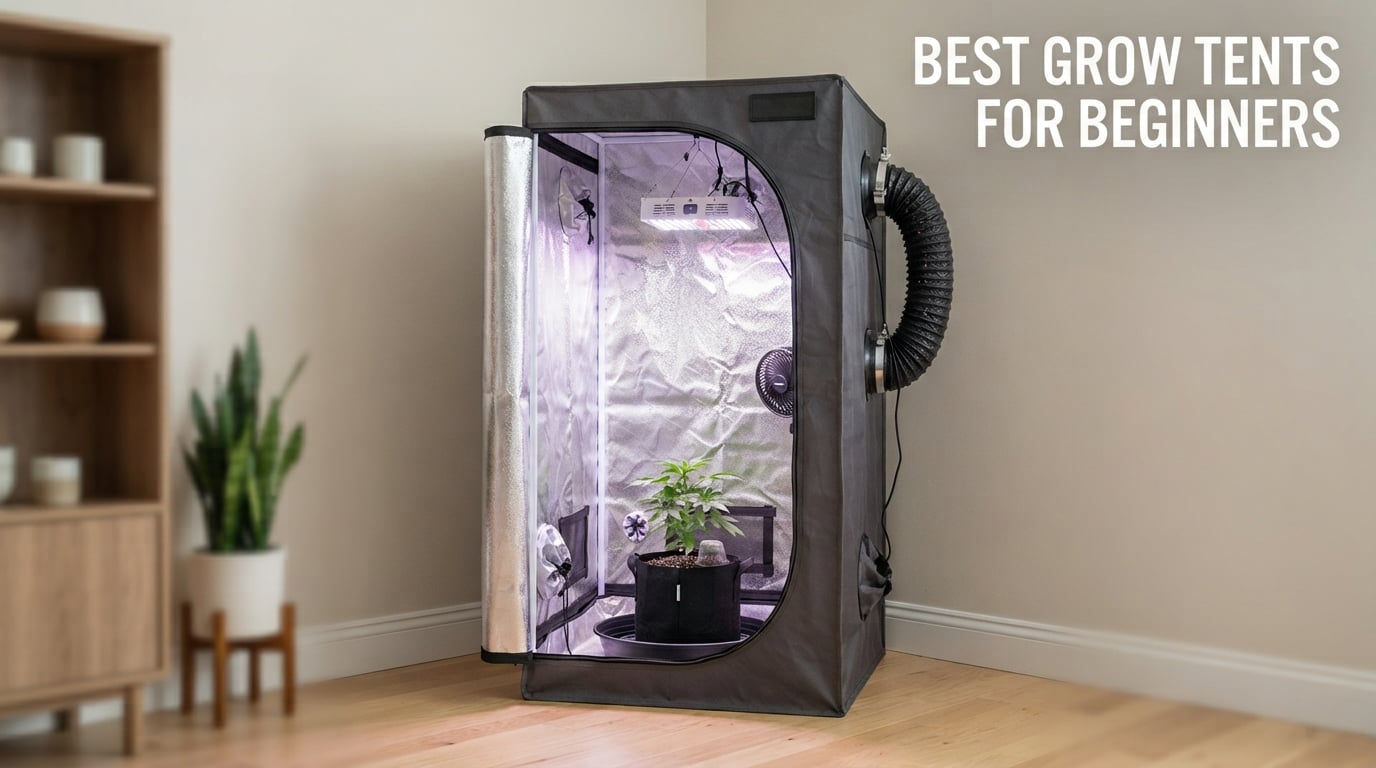
Here is the short answer: for a first indoor grow, buy the VIVOSUN S224 2×2 grow tent. It carries the largest review base of any tent we looked at, it goes up without tools, and a 2×2 footprint fits in a closet, a corner or a spare room without turning your first attempt into a furniture problem.
A grow tent is a framed, light-proof fabric box with a reflective interior. The reflective mylar lining bounces light back onto the plants instead of letting it get absorbed by the walls, the opaque canvas keeps outside light from bleeding in during a dark cycle, and the duct ports at the top and bottom let you push air through with an inline fan and carbon filter. That combination turns an uncontrolled corner of a room into a small, predictable space where temperature and humidity stop swinging with the weather.
We compared ten tents that a first-time grower can realistically buy, reading the published specifications for every one: canvas weight, pole diameter, frame load rating, port sizes, lining reflectivity and tray design. Nothing here is a sponsored slot. Each pick also has published owner feedback behind it, and we call out the complaints, because beginners are the group most likely to end up blaming the tent for a problem the tent never caused.
Two notes before we start. First, nothing in this guide is limited to one type of plant: the same tents work for vegetable and herb seedlings, propagation trays, microgreens, tropical houseplants and full-cycle grows. Second, the biggest beginner regret in grow forums is buying more tent than you can light and cool, so we have kept the size discussion at the front of the buying guide rather than burying it.
Table of Contents
Key Features to Look for in a Grow Tent
Size: a 2×2 footprint fits 1 to 2 plants, a 2×4 or 3×3 fits 3 to 4, and a 4×4 is a room rather than a closet. Buy for the plants you will actually grow.
Height: 48 inches works for short-cycle and vegetative work, 55 to 71 inches gives full-cycle headroom, and 6 ft 6 in or more lets you hang a carbon filter above the light.
Canvas denier: 600D is the entry tier, 1680D is the sweet spot for durability, and 2000D is for frames that will be handled often or used in a humid room.
Pole diameter and load rating: look for 1 inch poles and a published capacity. Anything at or above 120 lb handles a light plus a filter without bowing.
Duct ports: at least one 4 inch port top and bottom for an inline fan. Undersized ports are the most common reason budget tents feel like they cannot be ventilated.
Light sealing: black-lined zippers, a zipper flap, and double-stitched seams close the pinhole leaks that show up at zipper seams and floor edges.
Floor tray: a removable waterproof tray is not optional. It catches runoff and makes cleaning a two-minute job.
Kit or bare tent: an all-in-one kit avoids compatibility guesswork; a bare tent costs less and lets you add pieces as you learn.
Top 3 Best Grow Tents for Beginners in 2026

VIVOSUN S224 2×2 Grow Tent
- 600D Oxford canvas
- 100% reflective mylar
- 100 lb hang bar
- Tool-free build


Spider Farmer 2×2 Grow Tent
- 1680D Oxford canvas
- 120 lb frame
- SBS zippers with flap
- 11.8 in window
Best Grow Tents at a Glance in 2026
| Product | Specifications | Action |
|---|---|---|
| VIVOSUN S224 2×2 Grow Tent |
|
Check Latest Price |
| AC Infinity CLOUDLAB 422 2×2 |
|
Check Latest Price |
 zazzy 2×2 Grow Tent zazzy 2×2 Grow Tent |
|
Check Latest Price |
 MARS HYDRO 3.3×3.3 Grow Tent MARS HYDRO 3.3×3.3 Grow Tent |
|
Check Latest Price |
 MELONFARM 2×2 Grow Tent MELONFARM 2×2 Grow Tent |
|
Check Latest Price |
| Spider Farmer 2×2 Grow Tent |
|
Check Latest Price |
 ATOUR 2×2 Grow Tent ATOUR 2×2 Grow Tent |
|
Check Latest Price |
 MARS HYDRO 2×2 Kit with TS600 Light MARS HYDRO 2×2 Kit with TS600 Light |
|
Check Latest Price |
 Gorilla 2×2.5 Grow Tent Gorilla 2×2.5 Grow Tent |
|
Check Latest Price |
 VIVOSUN P336 PRO 3×3 Grow Tent VIVOSUN P336 PRO 3×3 Grow Tent |
|
Check Latest Price |
1. VIVOSUN S224 2×2 Grow Tent – Best Overall for a First Grow
VIVOSUN S224 2×2 Grow Tent 24″x24″x48″ High Reflective Small Mylar Tent
24x24x48 inch footprint
600D Oxford canvas
100% reflective mylar
100 lb hanging bar
Pros
- Tool-free assembly a beginner can finish quickly
- Effective light blocking with black-lined zippers
- Metal frame with a 100 lb hanging bar
- Removable floor tray and observation window
Cons
- 340g fabric and pole gauge are lighter than pro-grade tents
- Fewer duct ports than larger or premium models
The S224 is the tent most first-time growers end up with, and the reason is simple: it removes the three things that derail a first build. The corner connectors are tool-free, the zipper is black-lined so it seals without tape or extra flaps, and the 100 lb rated hanging bar takes a light without bowing.
I put this tent first because the feedback behind it is the largest in the group. Across more than 33k reviews it holds a 4.5 average with a 77 percent five-star share, and the recurring praise is exactly what a beginner needs: fast first-time assembly, solid light containment, and a removable tray that makes cleanup painless.
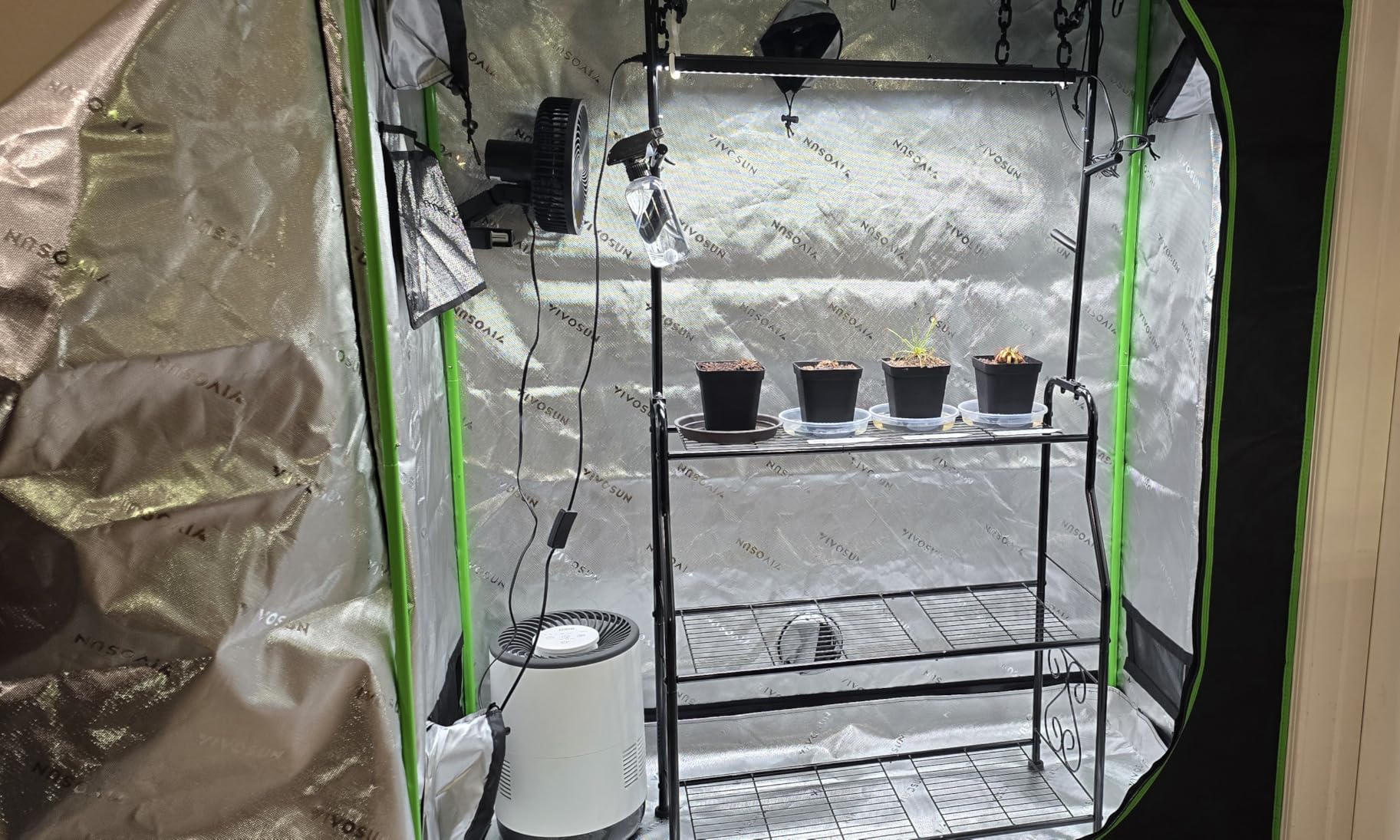
Specs worth knowing: 340g high-density waterproof and tear-resistant fabric, double-stitched, with a reinforced PE layer under the mylar. There is an easy-view window and a separate lower vent window for heat dissipation, plus duct ports for a fan, a lamp and electrical cords. Two hanging straps ship in the box for positioning a carbon filter.
The honest drawback is material weight. At 340g with an entry-level pole gauge, this is a lighter tent than the 1680D and 2000D models later in this list, and the port count is on the lean side. Over a single first grow that is a fair trade, but if you plan to run several cycles in a humid room, step up a tier.
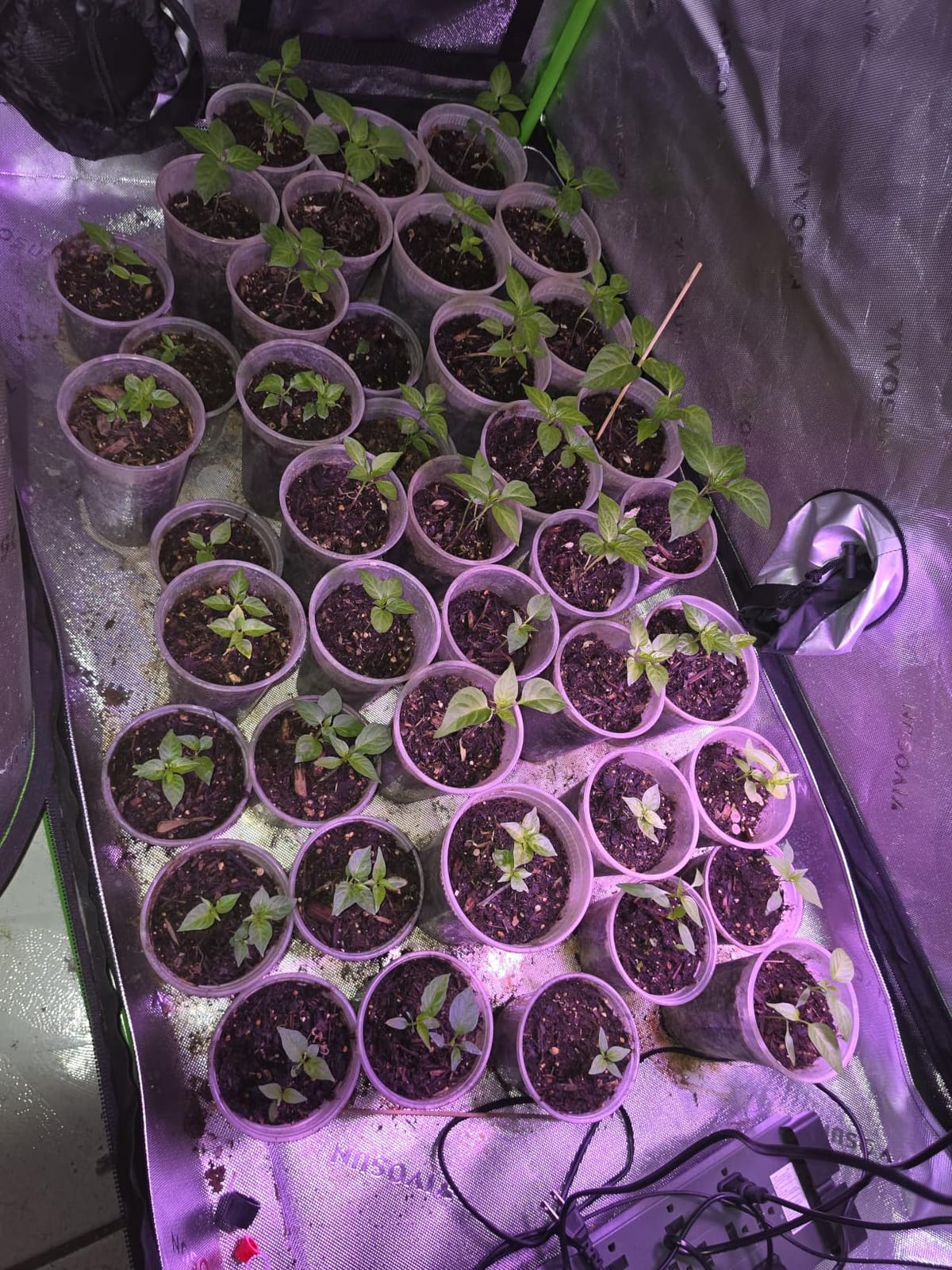
Is it worth buying for seed trays and seedlings
Yes, and this is the use most beginners should start with. A 2×2 gives you room for propagation trays or a couple of containers, and the removable tray catches the runoff that comes with bottom watering. Nothing here needs a large light to work, so your first purchase does not have to be a big one.
When you should pick something else
Move up if you want a carbon filter hanging from the top bars, if you plan to grow plants that need more than 48 inches of headroom, or if you are rough with the fabric. The 2×2 also gets tight fast with more than two mature plants. For either of those cases, the Spider Farmer and Gorilla tents below handle the same footprint with heavier cloth and stronger frames.
2. AC Infinity CLOUDLAB 422 2×2 Grow Tent – Best Rated Tent Here
AC Infinity CLOUDLAB 422, Advance Grow Tent 2×2, Thickest Poles & Mylar
24x24x48 inch footprint
1 inch poles with 2000D canvas
150 lb load capacity
4 in and 6 in duct ports
Pros
- Highest rating in the roundup at 4.7 stars
- Thickest poles and canvas in the 2x2 class
- Controller mount plate keeps wiring tidy
- Front zipper flaps add a second line of light protection
Cons
- Highest price among the 2x2 tents here
- Heaviest unit in the class at 9.1 kg
The CLOUDLAB 422 is the tent you buy when you want one decision to cover light sealing, frame strength and cable management for years. It uses 1 inch steel poles with 2000D canvas, rated to 150 lb, and it holds a 4.7 average with 7387 reviews and an 84 percent five-star share, the best numbers in this roundup.
Port count is the detail most specs pages bury. This one lists four 4 inch duct ports and three 6 inch ports, which means a 4 inch inline fan with a carbon filter fits without a workaround, and a second port is available if you want intake on one side and exhaust on the other.
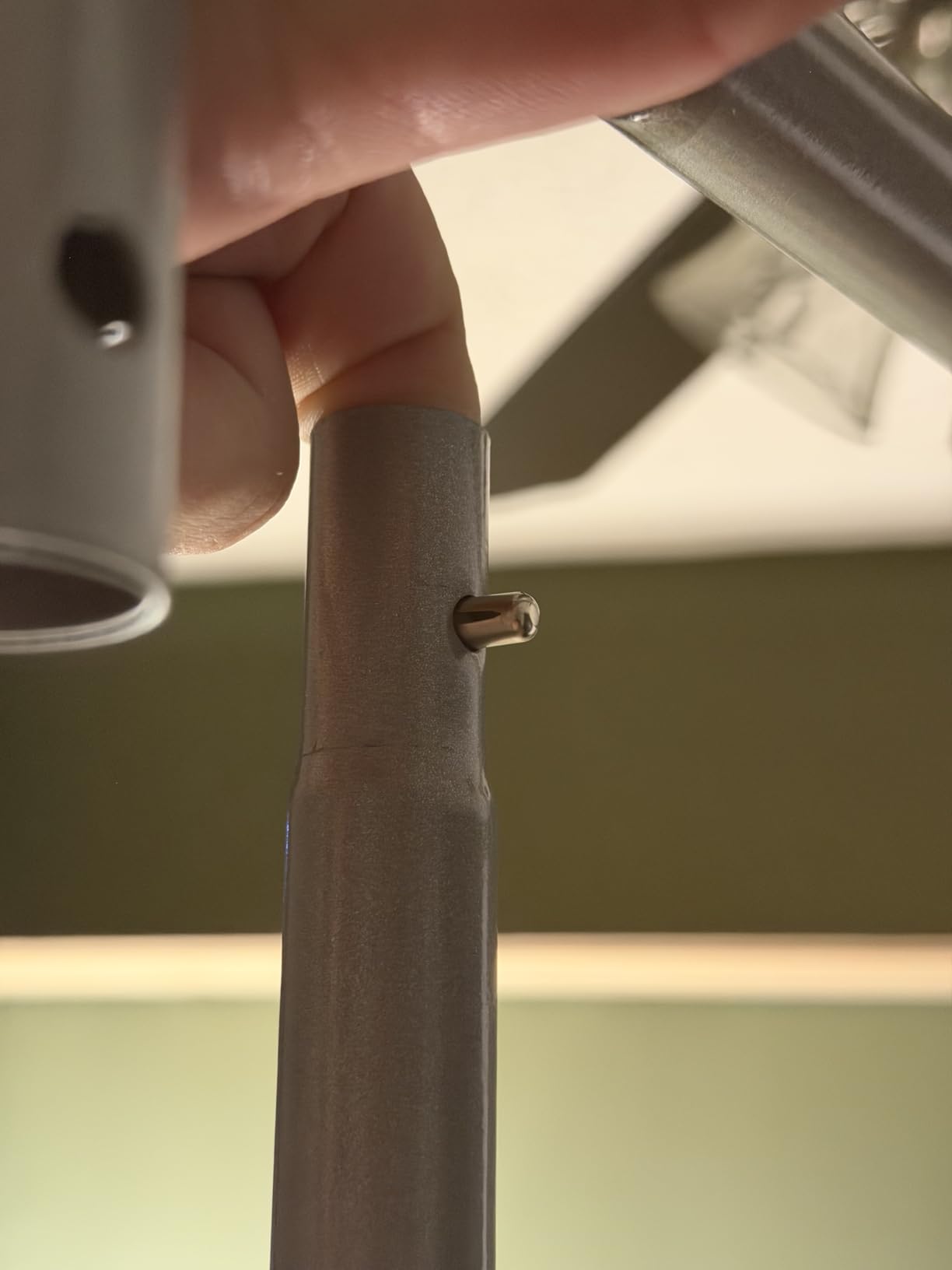
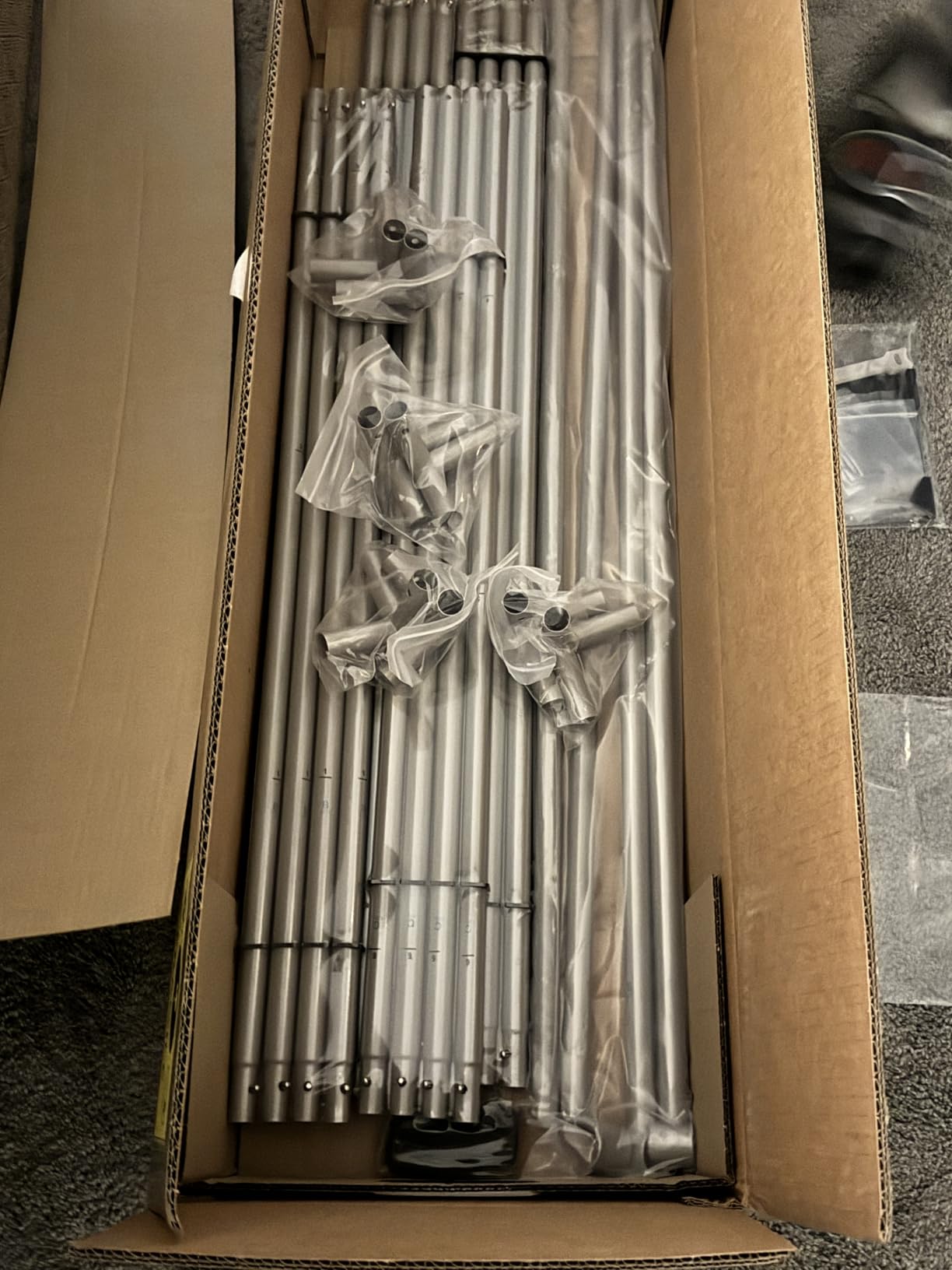
There is also a controller mounting plate with a lightproof cable passthrough, two hanging bars plus an extra, taller zipper windows on SBS zippers, reinforced corners, and a white stain-resistant heavy-duty catch tray with a tool bag. That combination is why grow forums keep naming AC Infinity first when people ask which tent brand to trust.
Two real tradeoffs. It is the heaviest unit in this group at 9.1 kg, so raising the frame solo takes longer, and it costs more than the other 2×2 models here. Neither matters much if you assemble it once and run several cycles, which is exactly what most buyers do.
How the light sealing holds up
Owners point to near-total sealing once the front flaps are zipped, and the oversized window means you can actually inspect the canopy without crouching. The taller window on SBS zippers is a small quality-of-life detail you notice every day during a grow.
What you give up for it
If this is a one-season experiment with a couple of trays, the extra weight and cost are hard to justify. Buy a cheaper 2×2 instead and put the difference into a light. Buy this one when you already know you will be running the tent for multiple cycles and want a frame that takes a filter and a light without complaint.
3. zazzy 2×2 Grow Tent – Best Budget Pick
zazzy 2’x2′ Grow Tent 24″x24″x36″ Hydroponic Mylar Growing Tent
24x24x36 inch footprint
600D reflective mylar
Steel frame to 110 lbs
95% reflective lining
Pros
- Lowest cost among the 2x2 tents reviewed
- 6 inch duct ports suit an inline exhaust fan
- Tool-free build reported at 20 to 60 minutes solo
- Double zippers with light-blocking backing
Cons
- 36 inch height is the shortest 2x2 here
- Some owners report pinhole leaks at window seams
- Thinner mylar and poles than premium rivals
The zazzy is the answer when the budget is the whole question. It holds a 4.5 average across 3316 reviews with a 75 percent five-star share, and reviewers repeatedly describe it as the best value per dollar in the category rather than a compromise they settled for.
It ships with all-steel poles rated to at least 110 lb, patented anti-rust PA corner connectors with adjustable tightness, and a 95 percent reflective mylar lining that retains heat. The 6 inch duct ports are a genuine step above what most tents at this price offer.
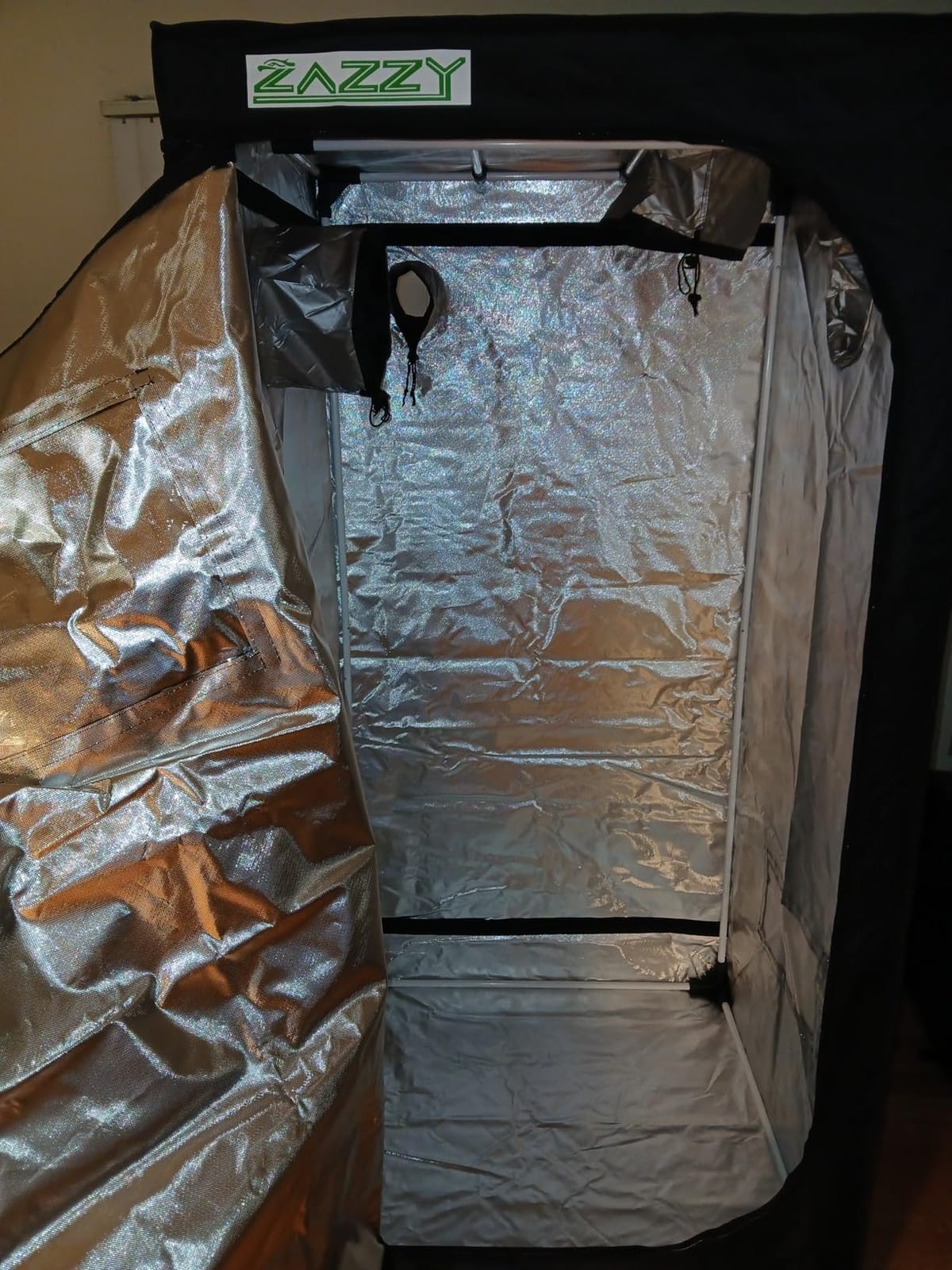
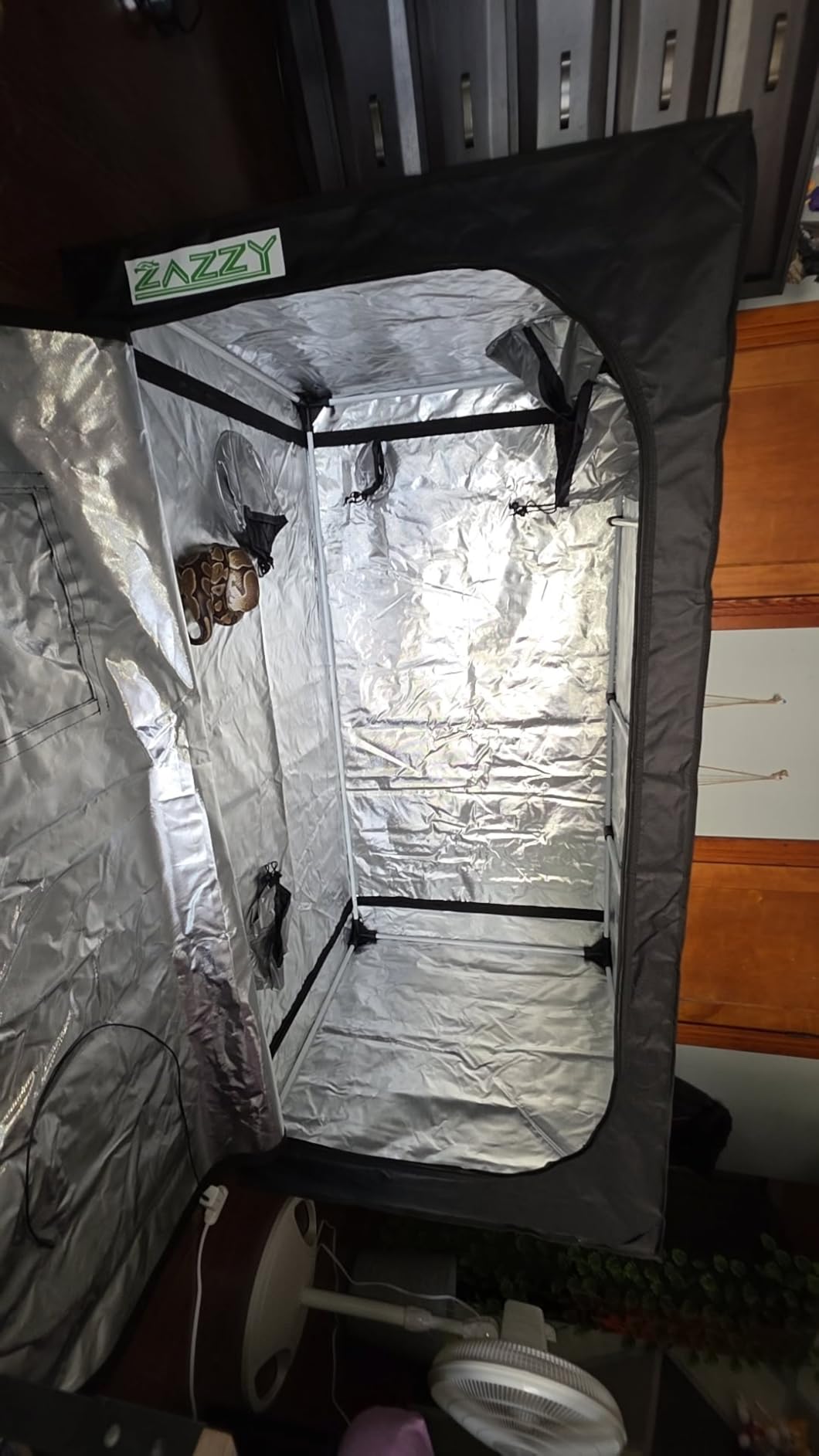
Setup speed is the beginner story here. Owners report completing assembly solo in 20 to 60 minutes using the illustrated instructions, and some report yields comparable to far more expensive name-brand tents on the same footprint. The double zippers with light-blocking backing do most of the sealing work without tape.
Now the compromises. At 36 inches tall, this is the shortest 2×2 in the roundup, and height is what limits a full-cycle grow more than anything else. Some owners also report pinhole leaks around the observation window seams, and the mylar and poles are thinner than the AC Infinity or Gorilla builds.
Best use for a first-time grower
Seed starting, propagation, microgreens and short vegetative cycles. The reflective lining and the light-blocking zippers do their job, and a small tent like this is fast to heat up and cool down, which makes it forgiving in a room with an ordinary window air conditioner.
Where the low cost shows up
Height, mostly. If you want a carbon filter above the canopy, larger plants, or a light hung low with a tent that must not flex, the 36 inch ceiling and the lighter frame will both fight you. Treat this as the practice tent, not the forever tent, and plan to move up once you know your room’s temperature swing.
4. MARS HYDRO 3.3×3.3 Grow Tent – Best Extra Footprint Option
MARS HYDRO 3.3×3.3 Advanced Grow Tent 39″x39″x71″ Indoor Plant Growing
39x39x71 inch footprint
1680D double-stitched canvas
10.56 sq ft floor area
Shade-cloth zipper flap
Pros
- Roomy 3.3x3.3 footprint with 71 inch height
- Zipper flap removes pinhole leaks
- 1680D canvas resists tearing
- Detachable waterproof floor tray
Cons
- Larger footprint needs more floor and ceiling space
- Longer build than the 2x2 models
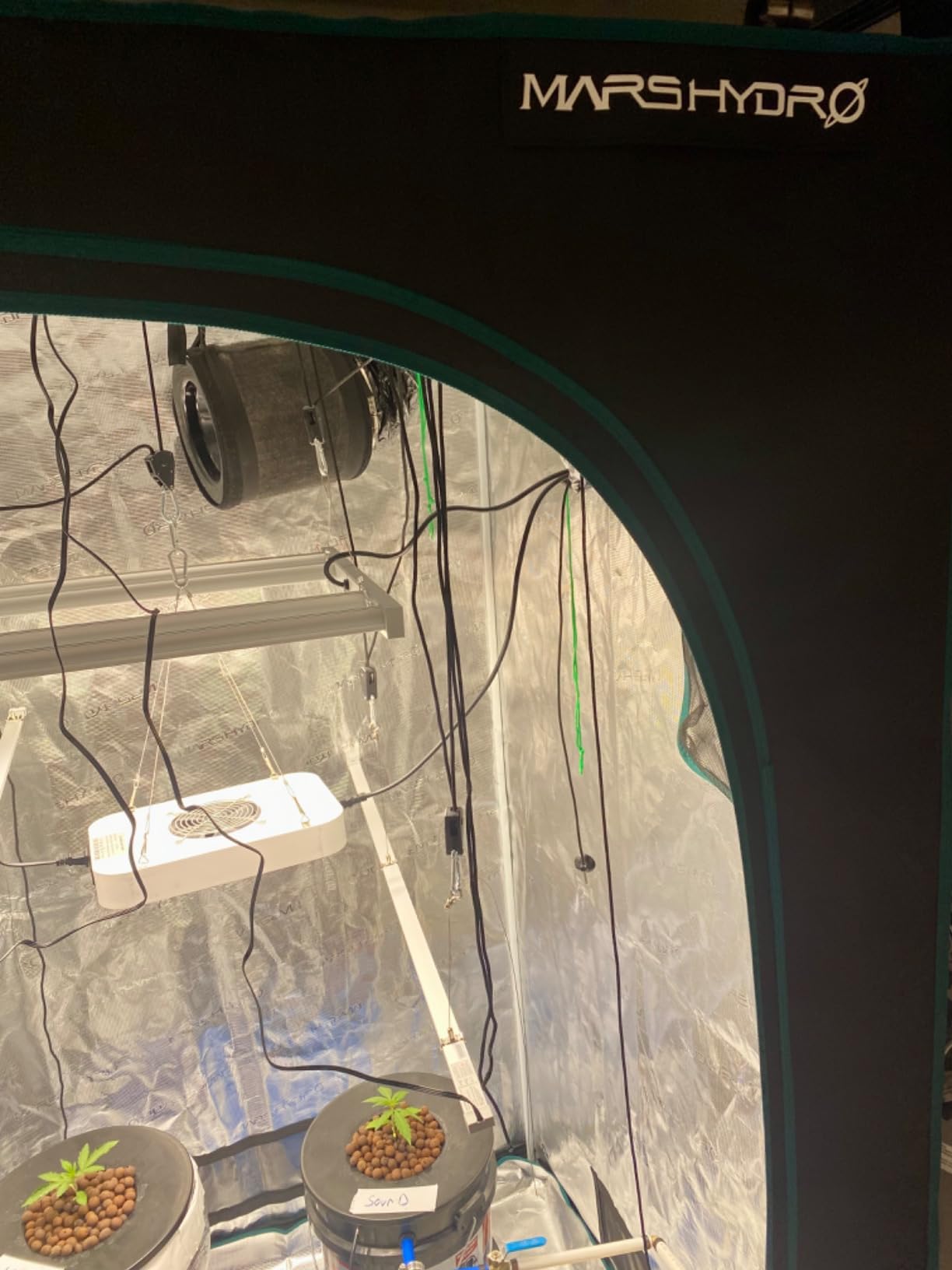
This is the tent for a beginner who has already measured the room and knows they have space. At 39 by 39 inches and 71 inches tall it offers 10.56 square feet of floor area, roughly four times the footprint of a 2×2, which is the difference between a corner experiment and a setup that can hold several plants.
It carries a 4.6 average over 2999 reviews with a 79 percent five-star share. The build uses 1680D double-stitched canvas with high-reflectivity diamond mylar, heavy-duty metal zippers with double black inner lining, and pop-snap corner adapters with top bars for fast setup.
The detail that separates it from most tents in this class is the shade cloth sewn between the zipper and the canvas. That extra layer is what stops the pinhole leaks that beginners find at the seams after a few cycles, and it pairs with a double-layer viewing window and a detachable waterproof floor tray.
Over-buying size is the most common beginner regret in grow forums, and this is the tent where that mistake is most tempting. Bigger means more light wattage, more fan capacity and more heat to remove, and none of those scale for free just because the floor area does.
Who this footprint suits
Someone with a spare room, a garage corner or a wide closet who wants three to four plants and enough vertical space for a taller light or a hanging filter. At 71 inches you can stack airflow far better than a 48 inch tent allows.
When 3.3×3.3 is too much
If your space is a single closet shelf deep, if you plan to grow one tray of seedlings, or if your light budget only covers a 2×2, this tent will leave you lighting half the floor and venting more volume than you need. In that case, step down to a 2×2 and spend the difference on light, which is where the money actually pays back.
5. MELONFARM 2×2 Grow Tent – Best Low-Cost Starter With Two Windows
MELONFARM 2×2 Grow Tent, 24″x24″x48” High Reflective 600D Diamond Mylar Canvas with Observation Window and Floor Tray for Hydroponic Indoor Plant Growing
24.4x24.4x40.8 inch footprint
600D Oxford canvas
Two observation windows
Removable floor tray
Pros
- Low cost entry with reflective lining and tray
- Tool-free install a first-timer can finish quickly
- Two observation windows plus a large zipper door
- Storage bag included for accessories
Cons
- Lowest rating in the roundup at 4.3 with 8 percent one-star
- 600D fabric is thinner than 1680D and 2000D alternatives
- Reported height near 41 inches is short for mature plants
The MELONFARM is a straightforward 2×2: 600D double-stitched Oxford canvas, a reflective waterproof polyester lining, a metal frame with tool-free corner connectors, a large heavy-duty zipper door and two transparent observation windows. It also ships with a removable floor tray and a storage bag.
It sits at the low end of our roundup on ratings, a 4.3 average across 2600 reviews with 8 percent one-star feedback, and it still tops the category best-seller chart. Buyers who price-shop tend to like the light blocking, the window access and the tray; critics focus on fabric weight, height and zipper complaints.
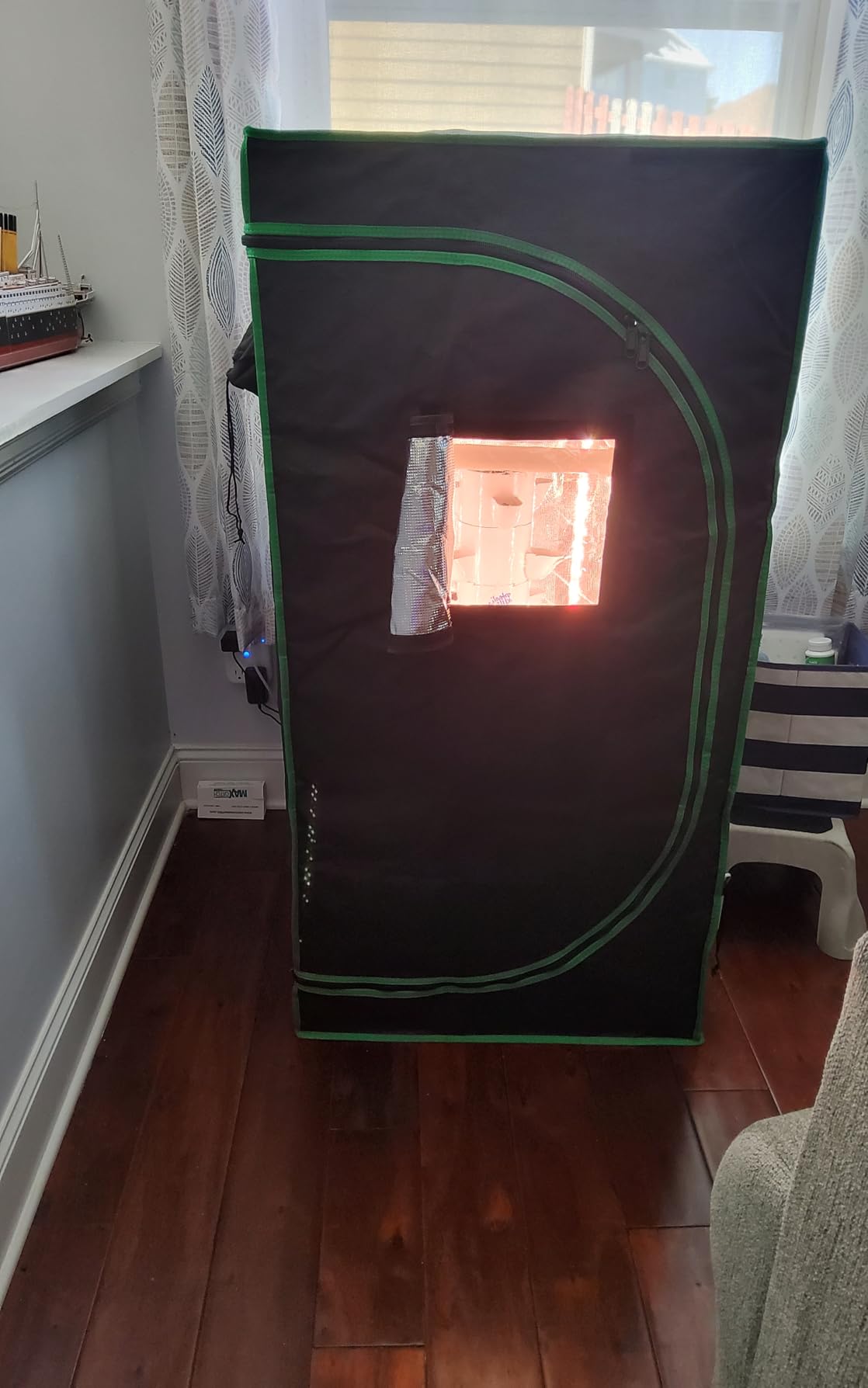
Two windows is a genuine advantage for a beginner, and you cannot always get it at this price. You can watch germination progress from outside without opening the door, which means fewer light interruptions during a seed-starting run where every hour of dark period counts.
What to watch is the listed height. The dimensions come in at 24.41 by 24.41 by 40.84 inches, which is a 2×2 in footprint but closer to 41 inches of height than the 48 inches the size name suggests. Plan canopy height around that number, not around the label.
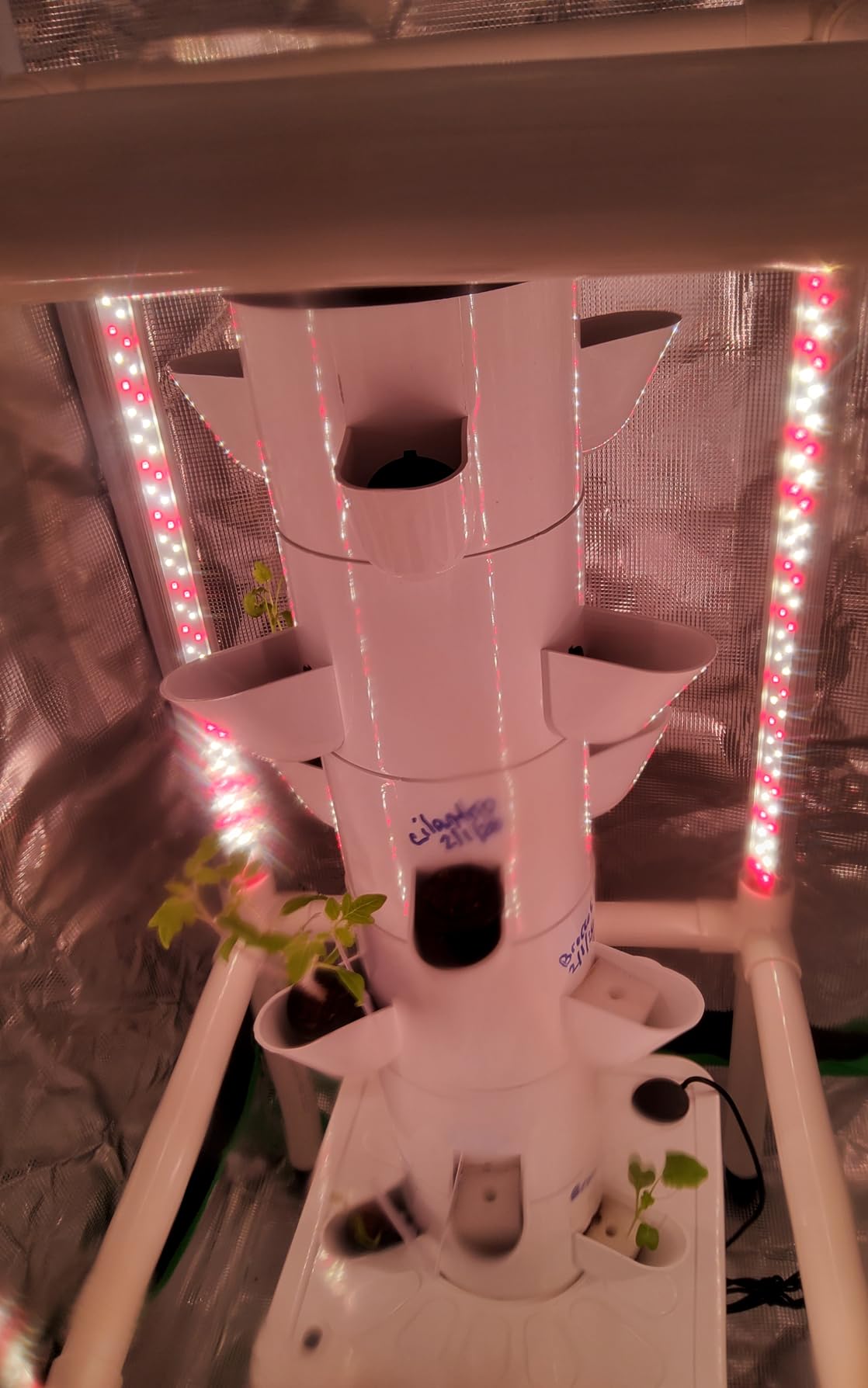
What it does well for a first run
Seed trays, propagation and a short vegetative cycle in a closet or basement. The tray catches runoff, the windows let you check progress without breaking the light cycle, and the tool-free frame means a single first-time build is realistic.
Where the low rating comes from
Thin 600D fabric and a shorter-than-expected ceiling. That combination is fine for a first trial and frustrating for a plant that needs to stretch. If you already know you will be growing in this tent beyond one cycle, the extra you spend on 1680D cloth is money better spent than discovering the limit later.
6. Spider Farmer 2×2 Grow Tent – Best Value for Heavy Fabric
Spider Farmer 2×2 Grow Tent 24″x24″x48″ for Indoor Plant Growing 2026 New
24x24x48 inch footprint
1680D Oxford canvas
120 lb frame capacity
11.8 inch viewing window
Pros
- 1680D canvas in a compact 2x2
- Frame supports a light plus a carbon filter
- SBS zippers with flap and double stitching
- Side door buckle and viewing window for daily checks
Cons
- Costs more than similar 2x2 tents
- Newer listing with a shorter review history
Here is the spec sheet a beginner should care most about, delivered in the smallest common footprint. The Spider Farmer 2×2 uses 1680D tear-proof waterproof Oxford canvas with diamond reflective mylar and 3x-thicker hardened steel poles supporting up to 120 lb, which is the fabric and frame level normally reserved for larger tents.
It holds a 4.6 average across 2019 reviews with a 79 percent five-star share. Praise centers on the fabric weight, the pole strength and the zipper reliability, which is exactly the trio that keeps showing up in complaints about cheaper tents after a few cycles.
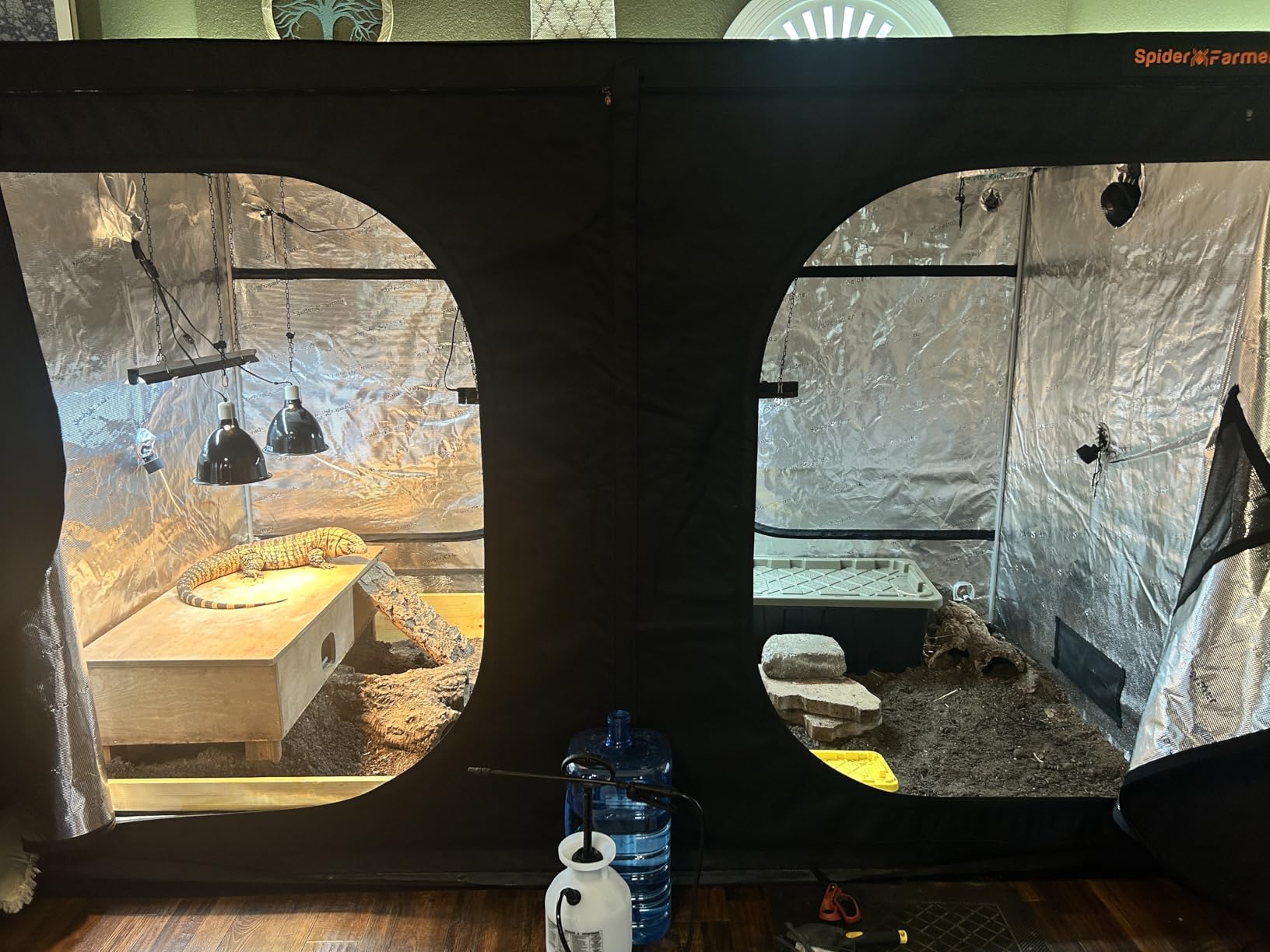
Day-to-day usability is handled well. There is an 11.8 inch by 11.8 inch viewing window, a side buckle on the main door, a controller hook, a cable pass-through, a waterproof floor tray and premium SBS zippers with a zipper flap and double stitching. The 16 cubic foot chamber volume matches the standard 2×2 footprint.
Two honest notes. It commands more than other 2×2 tents of similar fabric weight, so the value case rests on build quality rather than the ticket. And it is a newer listing, which means its 2019 reviews are a shorter history than the incumbents in this roundup carry.
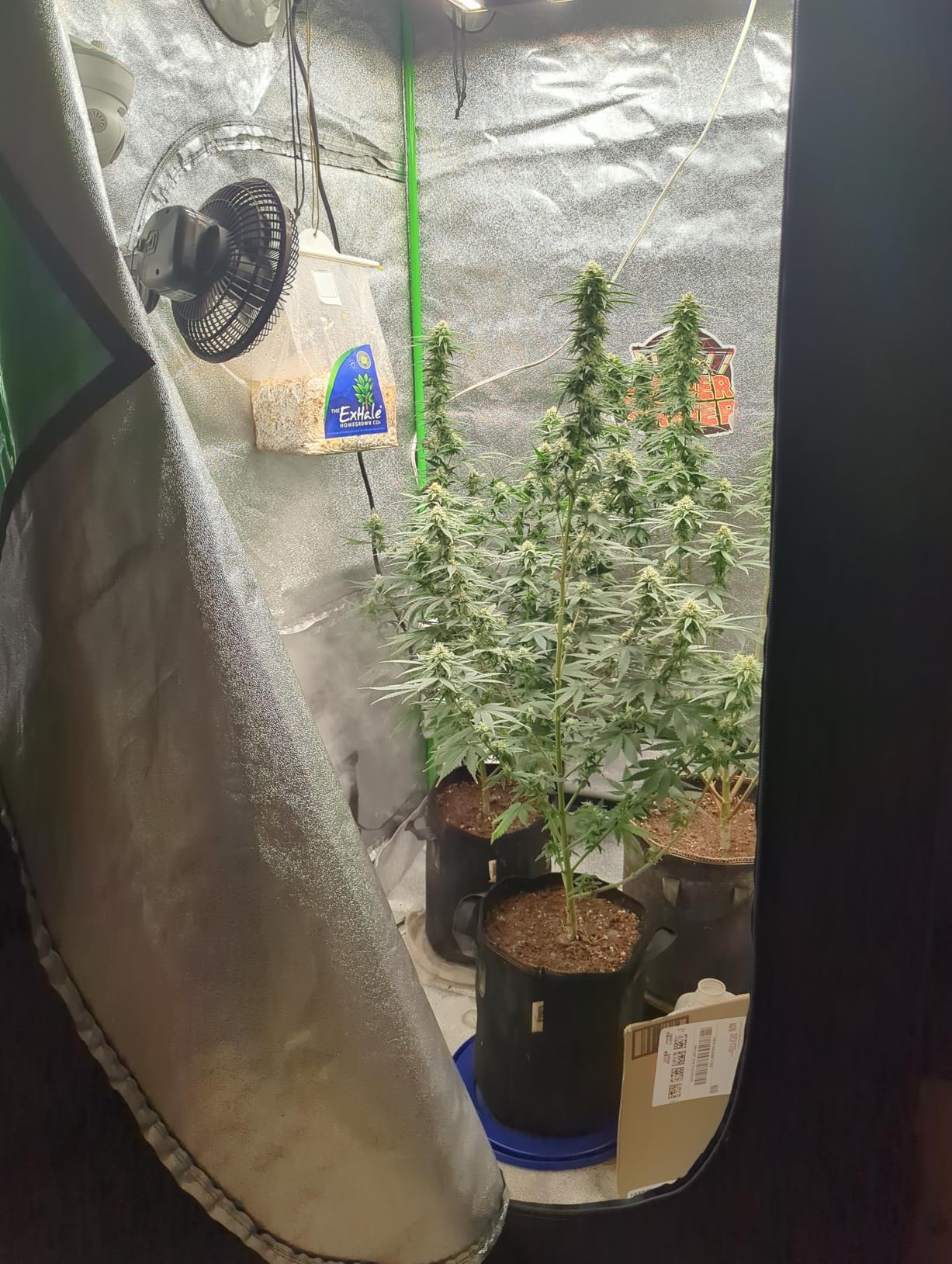
Why the frame rating matters for beginners
A 120 lb rating means you can hang a light and a carbon filter from the top bars without bracing the frame with extra hardware. Weak frames are one of the most repeated complaints in first-time grow threads, usually appearing the first time someone tries to hang something heavier than expected.
When the cheaper 2×2 is the smarter call
If this tent is a one-time seedling station in a spare room, the heavier canvas and reinforced zippers are money you will not use. Pick the lighter 2×2 models instead and put the difference into a better light or a proper inline fan, which have a much larger effect on results than fabric weight does.
7. ATOUR 2×2 Grow Tent – Best Lightweight Tent to Move Around
ATOUR 24”x24”x48” Grow Tent, Reflective 600D Mylar,Hydroponic Grow Tent with Observation Window and Floor Tray for Indoor Plant Growing 2’x2’
24x24x48 inch footprint
3.8 kg listed weight
600D reflective mylar
Zipper flap on the door
Pros
- Very light at 3.8 kg for solo setup and moving
- Zipper flap and large vents limit light bleed
- Good material quality for the price tier
- Fast tool-free assembly
Cons
- Some sizes arrive without matching instructions
- Hook-and-loop window loosens with frequent use
- Frame poles connect loosely and bracing is light
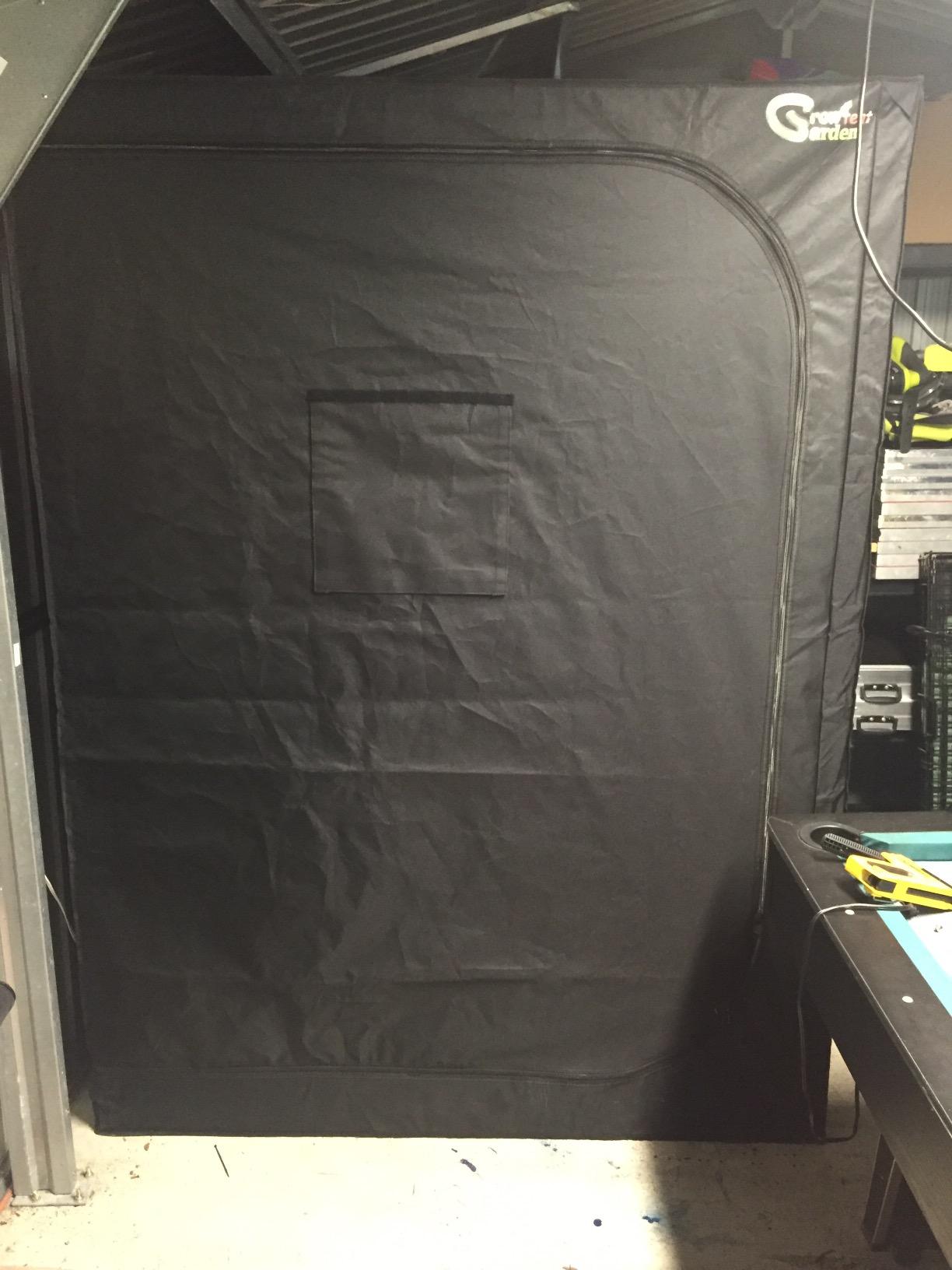
The ATOUR exists for a specific beginner situation: the tent has to move. At 3.8 kg listed weight it is the lightest unit in this roundup by a wide margin, which means you can raise or reposition it solo, shift it between rooms, or store it away when you are not growing.
Specs are otherwise conventional: a 24 by 24 by 48 inch footprint, a 16 cubic foot chamber, a reflective polyester film interior, reinforced metal rods, double-stitched seams and a large zipper flap over the door. It carries a 4.4 average over 1131 reviews with a 72 percent five-star share.
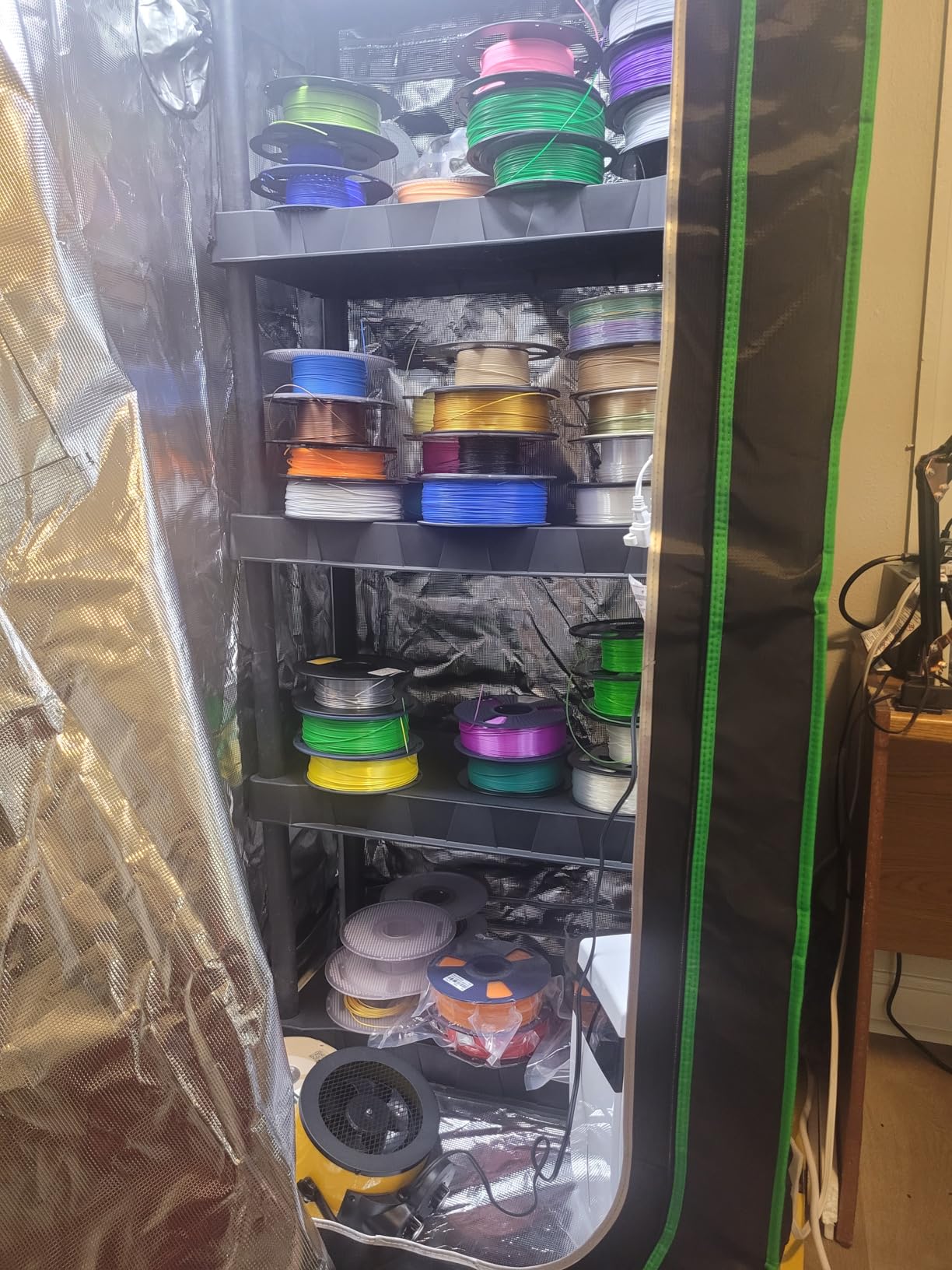
Owners tend to treat it as a budget option for seedlings, drying and small projects rather than a full-cycle tent. The material quality and light sealing draw the positive comments, while the negatives cluster around instructions, pole fit and the window flap.
The hook-and-loop observation window is the weak point over time. Frequent opening loosens it, and once it stops holding, you lose the easy check-in that made the tent convenient. The loosely sliding frame poles are the other recurring note, and they are why bracing matters if you hang a light.
Best fit for a beginner
A propagation station, a seedling shelf inside a closet, or a drying space you set up and tear down each cycle. For those uses, low weight matters more than fabric weight, and this tent delivers it while still blocking light properly.
Where it falls short
Long-run full-cycle grows and anything heavy hanging overhead. Light fabric and loose pole joints mean you should keep the load light and add a brace. If you want a tent you hang a filter from, choose one with a published load rating instead.
8. MARS HYDRO 2×2 Grow Tent Kit with TS600 Light – Best All-in-One Kit
MARS HYDRO 2x2ft Grow Tent Kit with TS600 100W Full Spectrum LED Grow Light
24x24x55 inch tent
100W TS600 LED included
205 CFM inline fan and filter
1680D canvas
Pros
- Tent
- light
- fan
- filter
- ducting and netting in one box
- 1680D canvas with no light leaks reported
- Quiet 205 CFM fan with 0 to 100 percent speed control
- Light adds little heat for better temperature control
Cons
- TS600 runs hot at full output and some units do not dim
- 55 inch height is tight for taller plants
- Fan is louder at high speed when placed outside
This is the kit for someone who does not want to research compatibility before their first night. One box contains a 24 by 24 by 55 inch tent, a TS600 100W full-spectrum LED, a 4 inch inline fan, a carbon filter, a speed controller, 25 ft of ducting, trellis netting and three grow bags. Forum buyers regularly ask for exactly this shape of package so they do not have to add to or substitute anything.
It holds a 4.5 average across 1048 reviews with a 75 percent five-star share, and beginners describe it as the easiest all-in-one starting point. The light is dimmable from 0 to 100 percent, uses 225 LEDs and is sized for a 2 by 2 foot vegetative stage with a smaller bloom footprint.
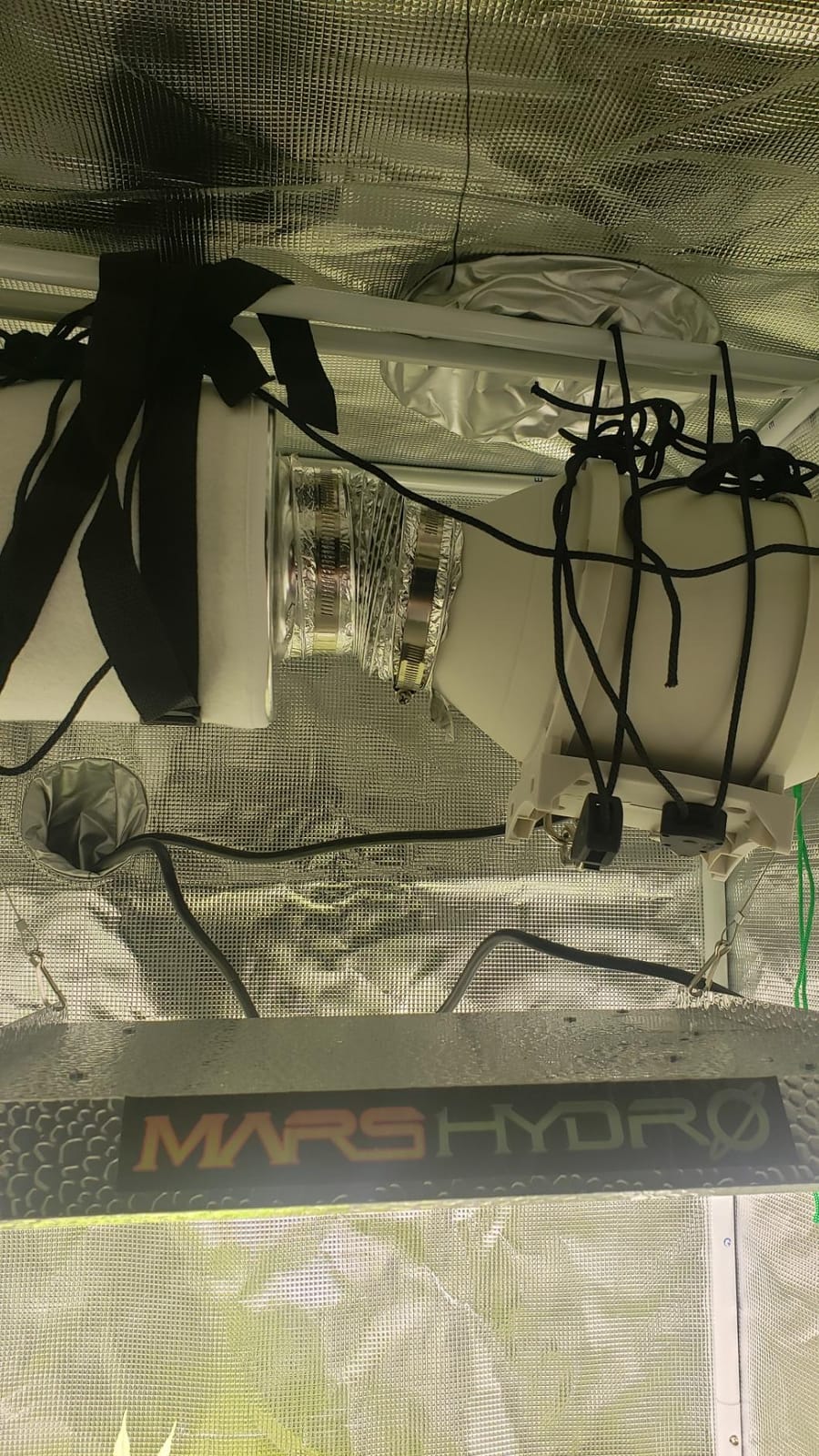
Ventilation hardware is the part most budget tents skip and this kit does not. The inline fan is rated at 205 CFM with a 2550 RPM EC motor, 26.8 dB output and 0 to 100 percent speed control, and the carbon filter uses 1050+RC 48 Australian virgin charcoal. The tent itself is 1680D double-stitched canvas with diamond mylar on a 0.8mm frame rated to 88 lb.
The recurring complaints are worth knowing before you buy. The TS600 runs hot at full output, a minority of owners report the dimming not working on their unit, the 55 inch height is tight for mature or tall plants, and the fan is noticeably louder at high speed when mounted outside the tent.
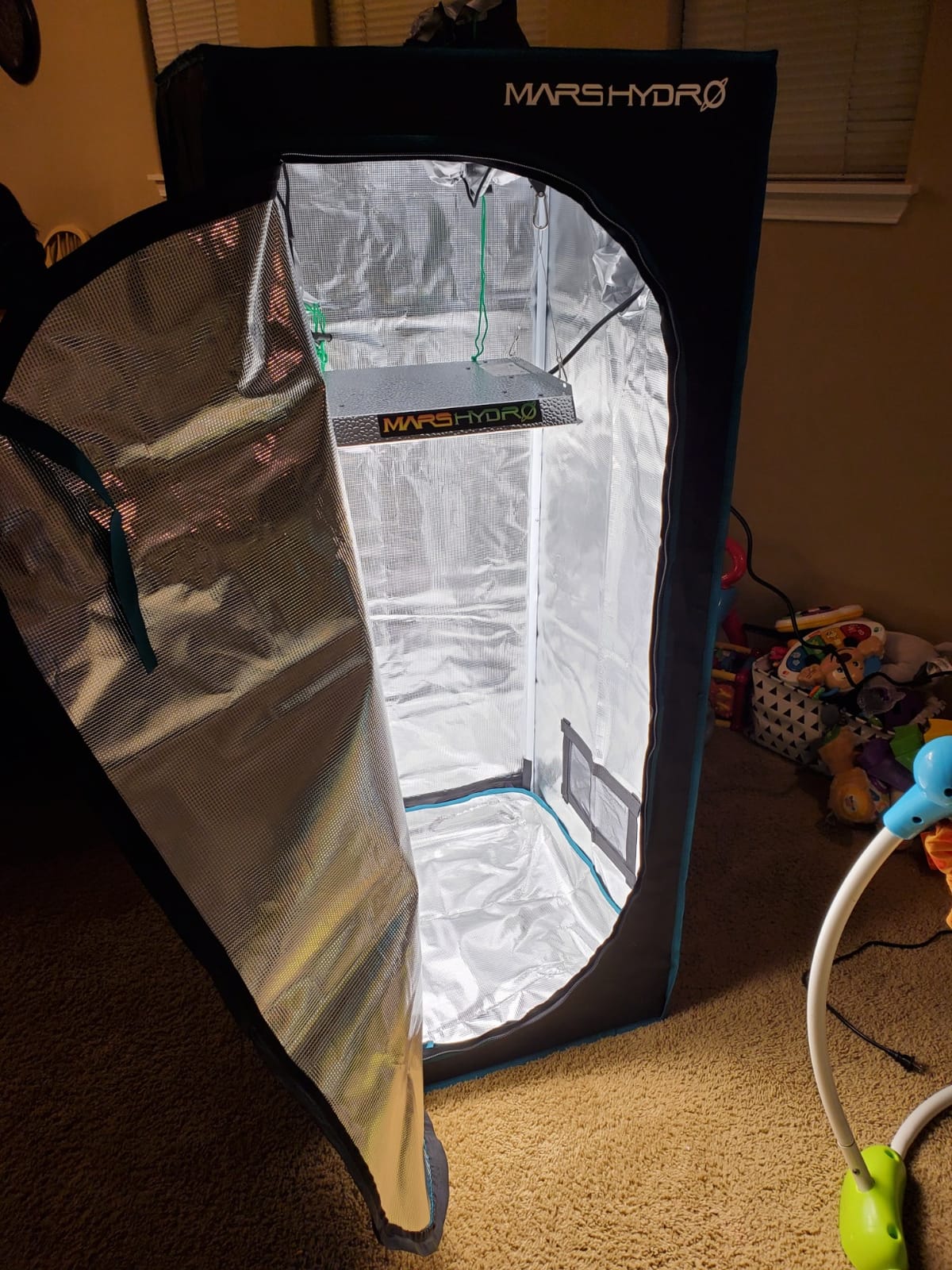
How to decide between a kit and a bare tent
Choose the kit if this is your first build and you want one purchase instead of five decisions. Choose a bare tent if you already know the light wattage you want for your space, or if you plan to grow larger plants than a 2×2 with a 55 inch ceiling can hold.
Which part to upgrade first
Start with the tent and light from the kit, then add climate control as a separate step. Measure temperature and humidity inside for a full cycle before buying anything else, because a tent that already runs warm will need intake air and a controller before it needs anything else.
9. Gorilla 2×2.5 Grow Tent – Best Frame Strength and Headroom
Gorilla Grow Tent 2×2.5 Fixed Height Indoor Grow Tent, 6’6″ Tall, 1680D Canvas, 300lb Hang Capacity, All-Steel Frame for Hydroponics, Soil Grows, Carbon Filters, Inline Fans, Home Cultivators
30x24x76 inch footprint
1680D threaded canvas
19mm frame rated to 300 lb
6 ft 6 in fixed height
Pros
- Tallest 2x-class footprint here with full-cycle headroom
- 300 lb hanging capacity supports lights and filters
- 1680D canvas far heavier than similarly priced tents
- Brand has built grow tents since 2011
Cons
- Highest price among the standalone tents here
- Footprint needs a dedicated closet
- room or garage corner
The Gorilla is the one to buy when height is your problem. At 6 ft 6 in fixed height it is the tallest tent in this roundup, and it delivers 20 to 60 percent more headroom than standard models, which is what lets you hang a carbon filter above the canopy and still have clearance.
The frame is the headline: a 19mm all-steel interlocking frame rated to 300 lb of hanging weight, on 1680D threaded canvas listed as 3 to 9 times thicker than competing tents at the same price. It holds a 4.5 average across 639 reviews with a 78 percent five-star share.
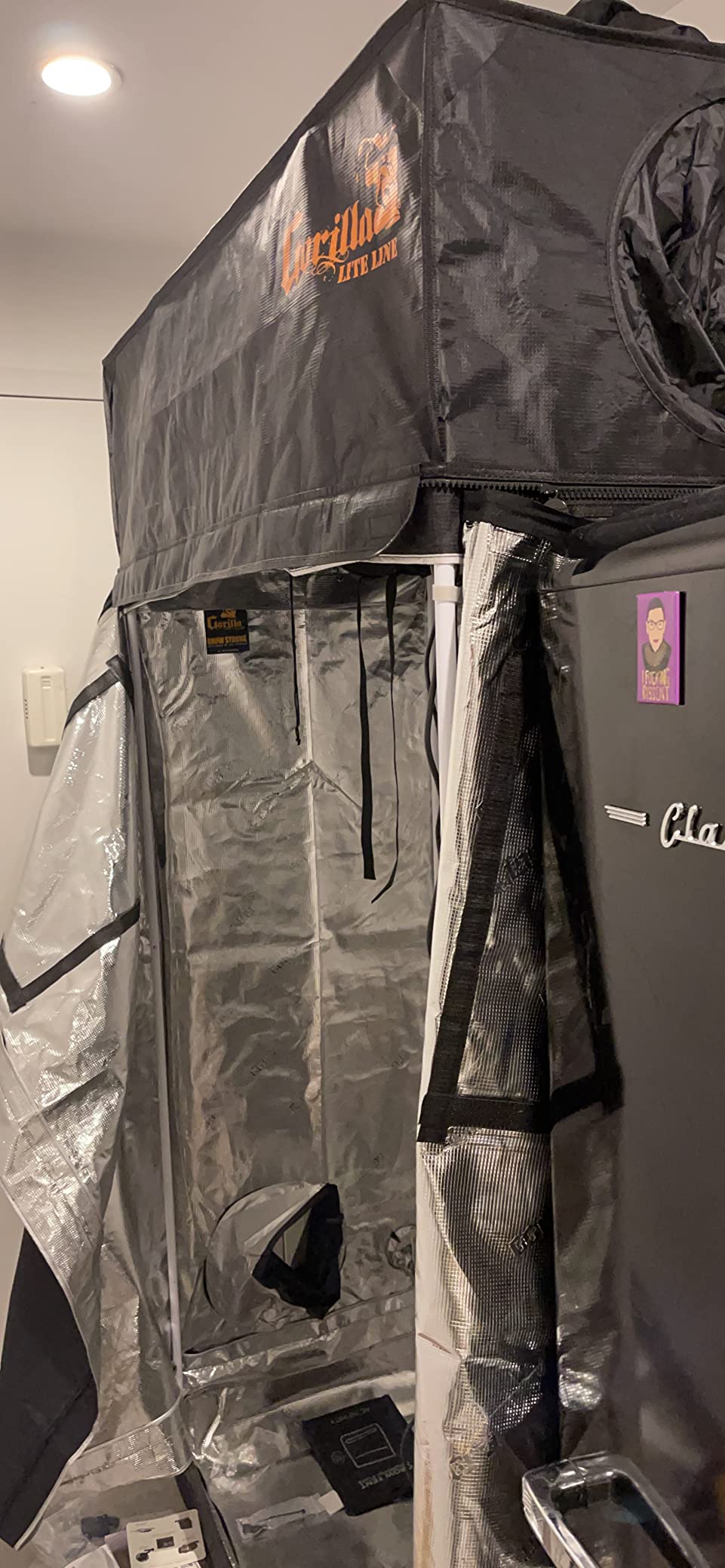
It works with standard 4 inch and 6 inch inline fans, carbon filters and clip fans, and the EZ View windows let you check plants without breaking a dark period. The interior is diamond reflective with reinforced stitching and industrial-strength zippers, and the 30 cubic foot chamber gives more usable volume than a 2×2 despite a similar footprint.
Two practical warnings. It is the most expensive standalone tent here, and at 30 by 24 inches it needs a real closet, room or garage corner rather than a shelf. Also note the review base is the smallest in the roundup, so the long owner history behind the brand is thinner here than for the incumbents.
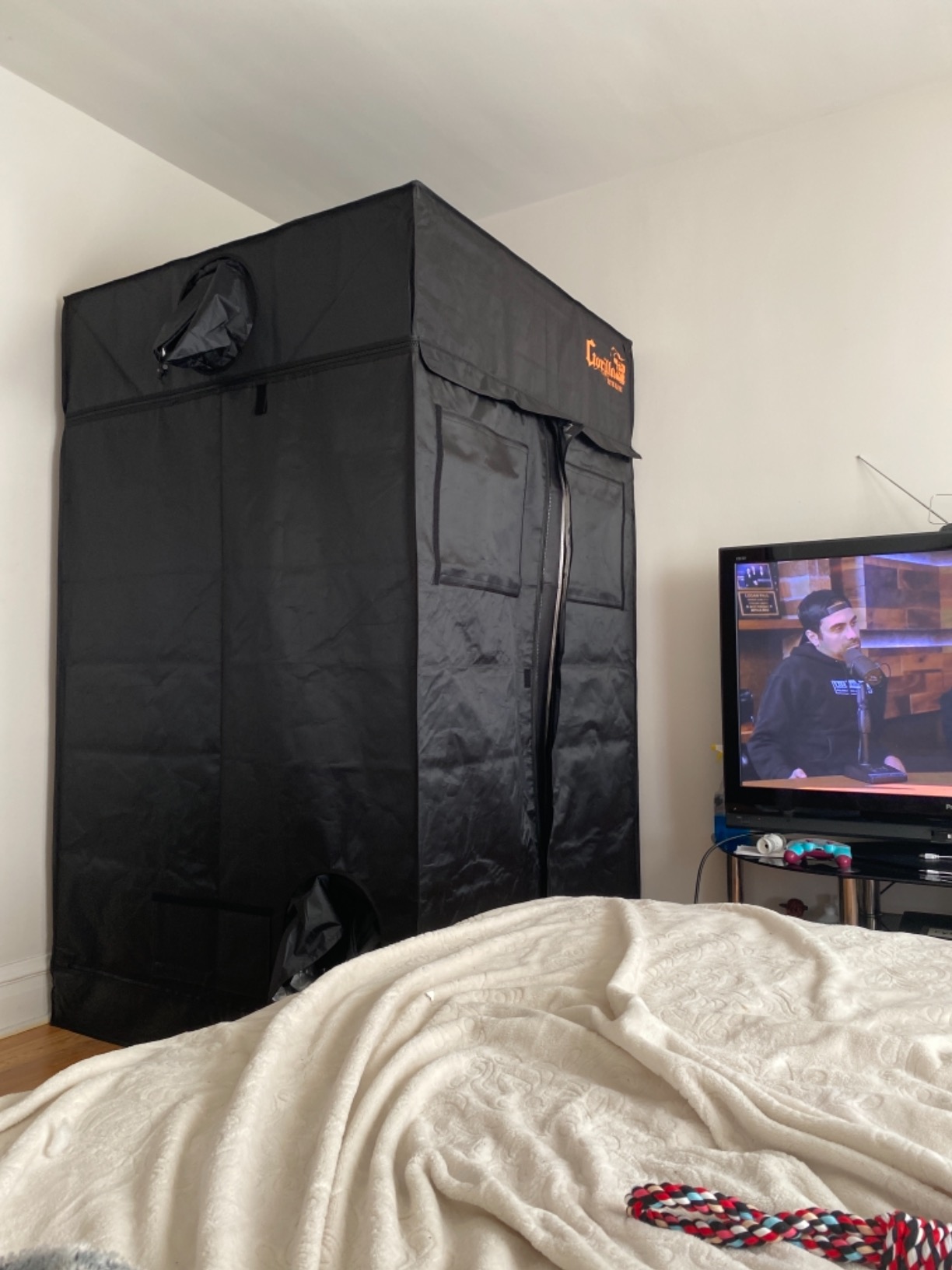
Where the extra height pays off
Full-cycle grows with a carbon filter, taller lights hung from the top, and drip or irrigation lines running overhead. None of those fit comfortably in a 48 inch tent, and retrofitting height later means buying a different tent anyway.
Where it is more than you need
A seedling tray on a shelf, a two-plant vegetative setup, or a first grow in a space you cannot give up permanently. A 300 lb frame and 6 ft 6 in ceiling solve problems a beginner often does not have yet, and they cost floor area you may not have to spare.
10. VIVOSUN P336 PRO 3×3 Grow Tent – Best Heavy-Duty Build
VIVOSUN P336 PRO Grow Tent 3×3 Indoor Growing Tents 36″x36″x 72″
36x36x72 inch footprint
Three-layer 2000D canvas
22mm poles rated to 400 lb
3 hanging bars and floor tray
Pros
- Three-layer 2000D canvas with strong light sealing
- 22mm poles and 400 lb capacity is the strongest frame here
- Large window and removable door ease daily work
- Cable management slots and outside tool pocket
Cons
- Heaviest unit listed at 14.82 kg and hard for one person to raise
- 3x3 footprint needs a dedicated room or closet corner
The P336 PRO is the over-built option: a 36 by 36 by 72 inch tent with three-layer 2000D Oxford canvas lined with PE and 100 percent reflective mylar, on 22mm steel poles rated to 400 lb. That is the highest frame rating and the thickest canvas in the roundup.
It holds a 4.5 average across 629 reviews with a 79 percent five-star share, and reviewers single out the lightproof build, the chunky poles and the organisation features rather than any single standout gimmick. Setup includes three hanging bars, four CFM-supporting poles and a floor tray.
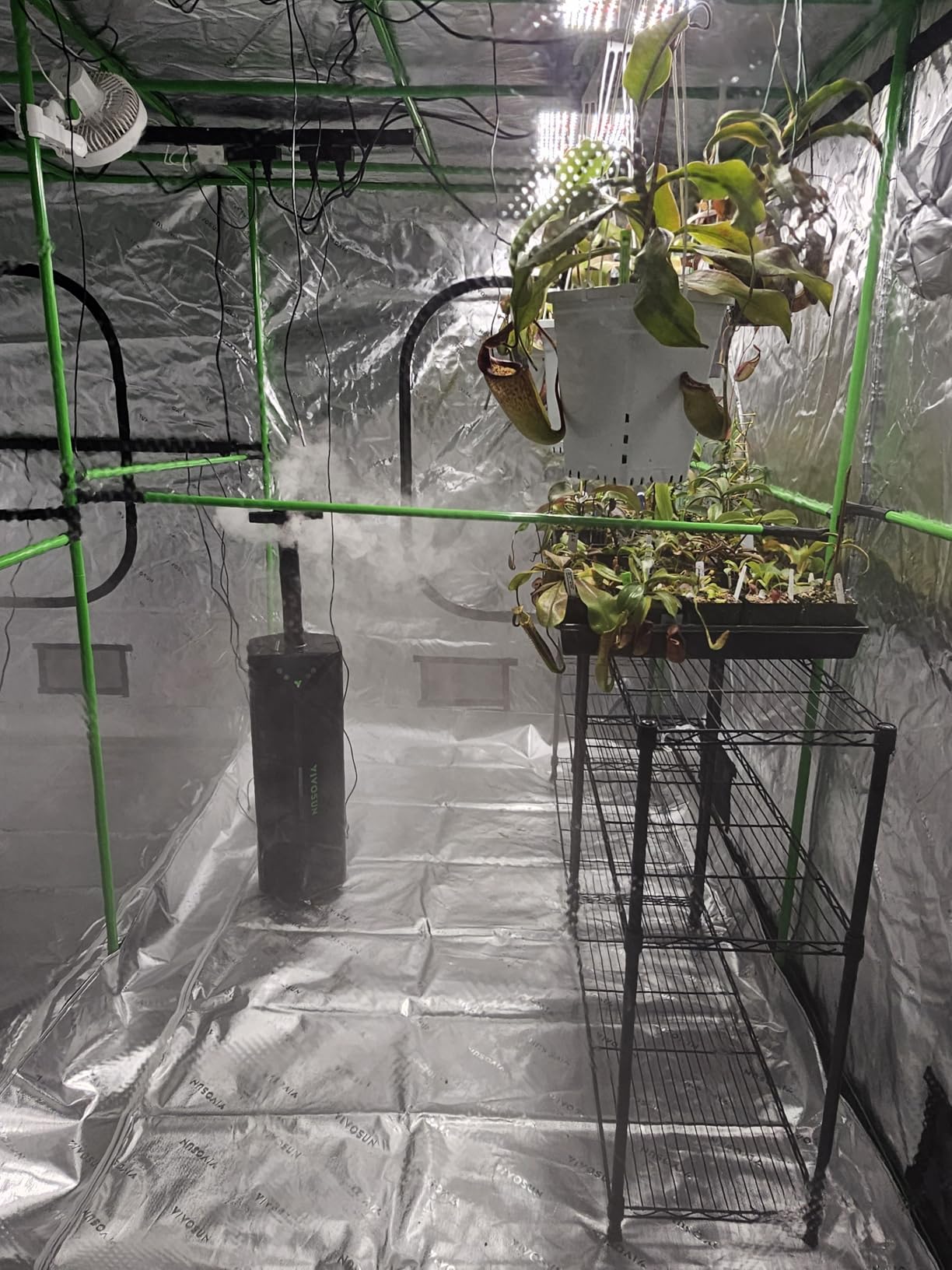
Cable management slots, an attachable outside tool pocket, a large observation window, a robust SBS zipper and a removable door with hook-and-loop fastening are the details that matter in a tent this size, where you will be reaching around equipment all day. A high CFM support kit is included to limit flexing from powerful fans.
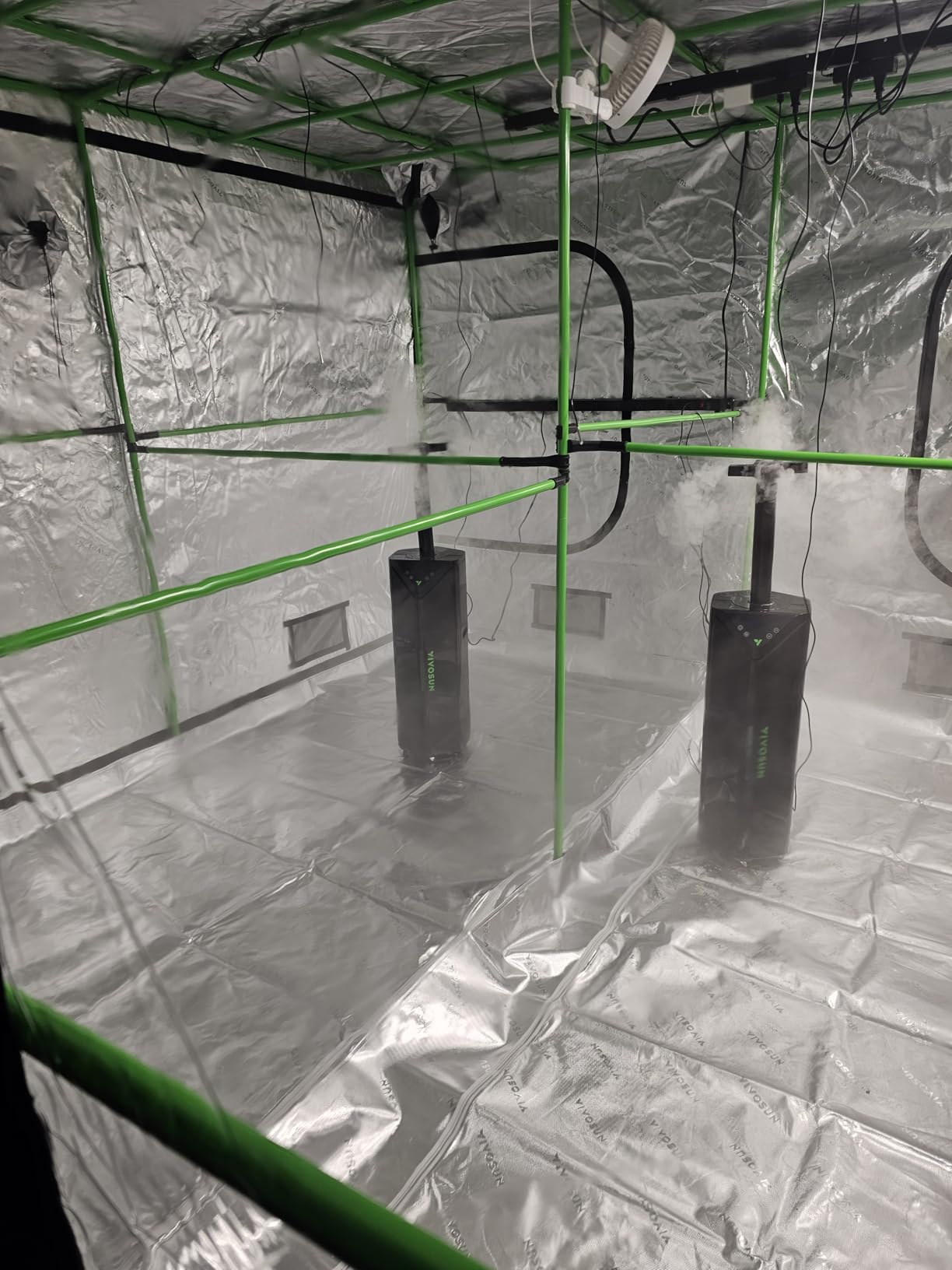
The cost of all that is weight. At 14.82 kg it is the heaviest unit listed, and reviewers consistently describe solo assembly as a two-person job. That is the honest cost of a frame this strong, and it is worth planning for before the box arrives.
Why the frame rating changes the design
At 400 lb you can hang multiple lights, a filter and ducting from the top bars without thinking about it, and the four supporting poles cut the flex that makes large tents feel unstable. If you are running a room rather than a closet, that headroom in the structure pays off every cycle.
When a 3×3 is the wrong first tent
When your light budget covers a 2×2. A 3×3 with a small light leaves you lighting part of the floor and stressing the rest, and a bigger tent traps more heat and needs more airflow than a first-time grower can manage. Most beginners who regret tent size bought large on day one, not on day thirty.
Grow Tent Buying Guide for Beginners in 2026
Most first-grow mistakes come down to three decisions made in the wrong order: size, fabric and ventilation. Get those right and the tent itself is the least interesting part of the build. Here is how we would make each call.
Start with size, and size is plant count
A 2×2 is the right default for a first tent. It fits one to two plants, it holds a small LED comfortably, and it can sit in a closet or a corner without a dedicated room. A 2×4 or 3×3 fits three to four plants and wants roughly double the light. A 4×4 is a room, and by then you should be past the trial stage.
Over-buying size is the single most repeated beginner regret in grow forums. A tent that is too large does not produce more, because the light does not scale with the floor. It produces heat, leaks, extra electricity and a longer build. Measure the space first, then the plants, then the light.
Read canvas denier as durability, not thickness
Denier measures fabric density, and it is the fastest way to compare two tents. At 600D you get a light, affordable shell that is fine for a trial and can feel thin after several cycles. At 1680D you get the fabric weight most beginners should aim for. At 2000D and three layers you are paying for a structure built to be handled and moved.
Pair it with the frame. A 1680D tent on a light frame is a worse buy than a 600D tent on strong poles, because the poles carry everything you hang. Look for a published load rating of 120 lb or more for a 2×2 setup with a light and a filter.
Check the duct ports before you check the price
Undersized ports are the reason budget tents cannot be ventilated properly. You want at least one 4 inch port at the top and one at the bottom, and 6 inch ports if you plan to run a carbon filter. A tent with three small ports and no flap will leak light and heat in ways no amount of reflective lining can fix.
Ventilation is also the part beginners forget entirely. A thermometer and hygrometer inside the tent is the cheapest piece of equipment in the build and the one that tells you when to act. If you are also buying containers, our guide to grow bags for vegetables covers the sizing side.
Bare tent or complete kit
A bare tent gives you control and a lower entry cost, but you have to research light wattage, fan size and filter diameter yourself. A kit removes those decisions in one purchase, which is why complete sets keep showing up as first-grow recommendations in forums. For your first build, a kit is the lower-risk choice unless you already know the exact light you want.
What to buy first, and what to add later
Buy the tent and the light first, then run a full cycle while watching temperature and humidity. Add an inline fan and a carbon filter second, when you know whether your room runs warm or cool. Add a controller, a humidifier or a dehumidifier last, based on what the numbers actually show. Most setups work fine with a tent, a light, a fan and a meter.
Seven setup mistakes worth avoiding
Pinching light or power cords inside a zipper seam when closing the tent.
Skipping the floor tray, then discovering runoff soaking the fabric.
Hanging a light from a frame with no published load rating.
Buying a tent larger than the light you can afford to run.
Leaving a controller or power supply on the tent floor where it collects water.
Using an outlet that is not ground-fault protected in a humid space.
Running the tent in a dark cycle with the duct ports unplugged and unused.
Do you even need a tent?
For one or two propagation trays, a shelf under a light is often enough, and we would rather tell you that than sell you a tent you do not need. A tent earns its place once you want a dark period without affecting the rest of the room, once you need to control temperature in a small space, or once you are past the seedling stage. If you are growing foliage plants rather than photoperiod-sensitive crops, light quality and airflow matter more than a tent.
How the major brands differ
AC Infinity is the brand growers most often name first for tents and ventilation, which matches what we saw in the build quality here: heavier poles, more ports and a controller mount. Spider Farmer is the value play for fabric weight, packing 1680D canvas and SBS zippers into a 2×2. Gorilla is the durability and headroom option, with the longest build history among the brands here. Mars Hydro is the kit specialist, bundling tent, light and ventilation hardware. VIVOSUN covers both ends, from the highest-reviewed entry tent to the heaviest pro build.
On lighting, keep in mind that wattage is not universal across fixtures, so check coverage area rather than raw numbers. Our picks for grow lights for succulents show the same principle for a lower-light crop: match the fixture to the footprint and the plant.
Frequently Asked Questions
What is the best grow tent setup for beginners?
A 2×2 tent, a small full-spectrum LED matched to that footprint, a 4 inch inline fan and a thermometer with hygrometer is the standard first setup. Add a carbon filter only if odour control matters in your space. Our top pick is the VIVOSUN S224 2×2, and the all-in-one alternative is the MARS HYDRO 2×2 kit with the TS600 light.
What size grow tent do I need?
Choose by plant count, not by ambition. A 2×2 fits one or two plants and works in a closet or corner. A 2×4 or 3×3 fits three or four plants and needs roughly twice the light wattage. A 4×4 requires a dedicated room. For a first grow, measure your space and pick the smallest footprint that fits the plants you actually want.
Which grow tent is better, a 2×4 or a 3×3?
Both suit three to four plants, but a 3×3 gives a square footprint that is easier to light evenly and better suits a carbon filter, while a 2×4 fits a narrow room or closet wall better. Height matters more than the shape: confirm you have 60 to 72 inches of clearance before choosing either.
What’s better, AC Infinity or VIVOSUN?
AC Infinity focuses on frame strength, port count and tidy cable management, and its CLOUDLAB 422 carries the highest rating in our roundup at 4.7. VIVOSUN covers a wider range, from the entry-level S224 with the largest review base to the heavy-duty P336 PRO. For a first, low-commitment tent, VIVOSUN is the simpler buy; for a multi-cycle build, AC Infinity.
Which brand is considered the best for grow tents?
AC Infinity and Spider Farmer are the two most frequently recommended names in grow communities, AC Infinity for frame and ventilation design and Spider Farmer for fabric weight at a fair price. Gorilla is the pick for durability and headroom, Mars Hydro for bundled kits, and VIVOSUN for range and entry pricing. Community consensus is a useful filter, but frame load rating matters more than brand loyalty.
How do I choose a grow tent kit?
Check four things: that the light is sized for the tent footprint, that the inline fan diameter matches the duct ports, that a carbon filter is included if you need one, and that the frame has a published load rating for everything you plan to hang. Kits save research time, but a mismatched light or filter inside the box negates that benefit.
Do I need a grow tent for seed-starting, or is a shelf enough?
A shelf is enough for one or two propagation trays, since seed starting needs light, warmth and airflow more than a controlled dark cycle. A tent becomes worth it once you want a sealed dark period, tighter temperature control, or protection from light spill in a shared room. Start on the shelf and add a tent when you reach the seedling stage.
Which Grow Tent Should You Buy?
If you want a single answer for the best grow tents for beginners, start with the VIVOSUN S224 2×2. It has the widest owner history in the group, a tool-free build, effective light blocking and a removable tray, which is everything a first grow actually needs.
Pick the AC Infinity CLOUDLAB 422 instead if you plan multiple cycles and want the strongest frame and port layout in this size class. Pick the Spider Farmer 2×2 if fabric weight matters most to you, the MARS HYDRO 2×2 kit if you would rather buy everything at once, and the Gorilla 2×2.5 if you need 6 ft 6 in of headroom for a filter and taller plants.
Whatever you choose, buy for the plants you are growing right now rather than the ones you might grow next season, and add a fan and a meter before anything else. That is the advice behind every pick in this 2026 roundup.